

Image retouching
We elevate the visual narrative through sophisticated, organic skin treatment, supported by complex color correction that defines the atmosphere of each piece. Our process focuses on the meticulous preservation of real textures, bringing a haute couture aesthetic to every frame. We combine artistic sensibility with pinpoint precision in post-production to transform images into high-impact cinematic experiences.
Digital treatment
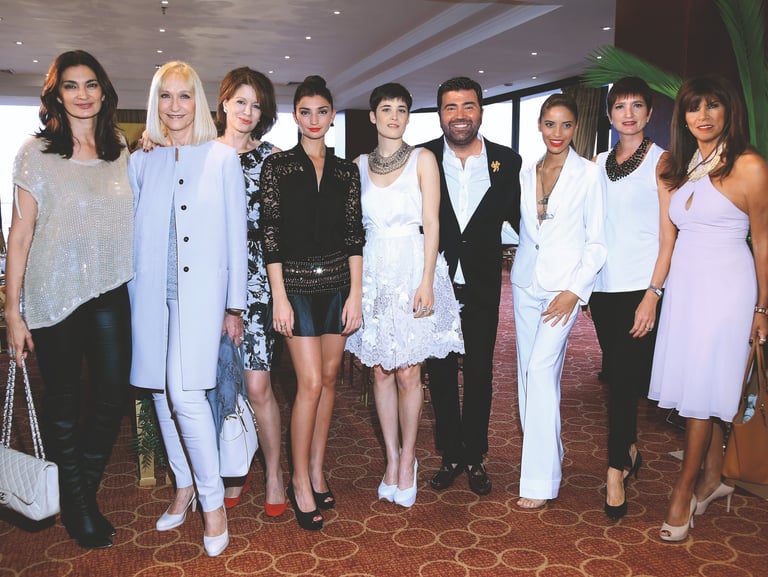
Editorial photo retouching is a sophisticated combination of technical precision and artistic vision, a cornerstone of high-end fashion, luxury, and lifestyle publications. Unlike standard commercial editing, true editorial work focuses on creating a coherent visual narrative that reflects the brand's identity, rigorously maintaining natural skin textures and realistic tonal depth. This specialized technique demands mastery of non-destructive workflows, where every adjustment is made with surgical precision to preserve the integrity of the original image.
High-level digital retouching transcends mere aesthetic correction, becoming a discipline of visual engineering and artistic sensibility. The complexity begins in the very structure of the image through advanced frequency separation, a process that breaks down information into layers of texture and color. This technique allows for independent intervention on skin or textile surfaces, resolving harsh color transitions or blemishes without destroying the pores, hair, or weave of the fabric. The challenge here is not just cleanliness, but preserving the organic identity, avoiding the "washed-out" or artificial look that betrays low-quality work.
In addition to this structural control, there's Dodge & Burn (manual lightening and darkening), which moves away from automation to act as a form of digital sculpting. The retoucher must possess a deep understanding of human anatomy and the physics of light to accentuate volumes and correct lighting irregularities pixel by pixel. It's not about applying a filter, but about manipulating micro-contrasts to guide the viewer's eye and give the image a three-dimensionality that the original capture, in its flat sensor state, often fails to convey with complete fidelity. In the field of color grading, the complexity lies in both psychology and technique.
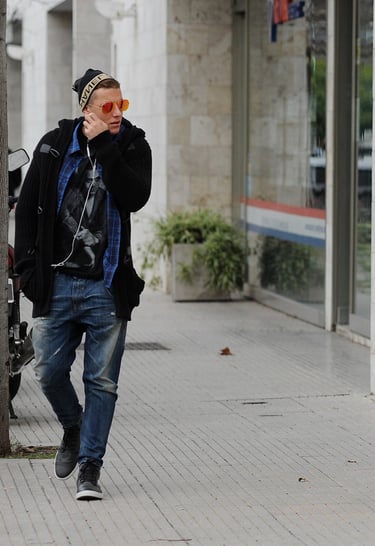


Precise color grading seeks chromatic harmony that must be consistent not just in a single shot, but throughout an entire campaign or editorial catalog. This entails rigorous technical color management to ensure that skin tones remain natural while the ambient palette evokes specific emotions. The expert must master color spaces and understand how hues will behave both on high-resolution screens and on the physical media of large-format printing, where inks and paper add an extra layer of variability. An expert must know when and how to hybridize high-speed artificial intelligence tools with hand-crafted retouching. While AI can handle repetitive tasks like background cleanup or canvas extension, only human judgment can determine the precise point where the image achieves technical perfection without losing its soul. Achieving that "flawless yet human" look requires constant updating in light of global fashion trends, ensuring that every technical intervention serves the photographer's original intention and the brand's aesthetic integrity.
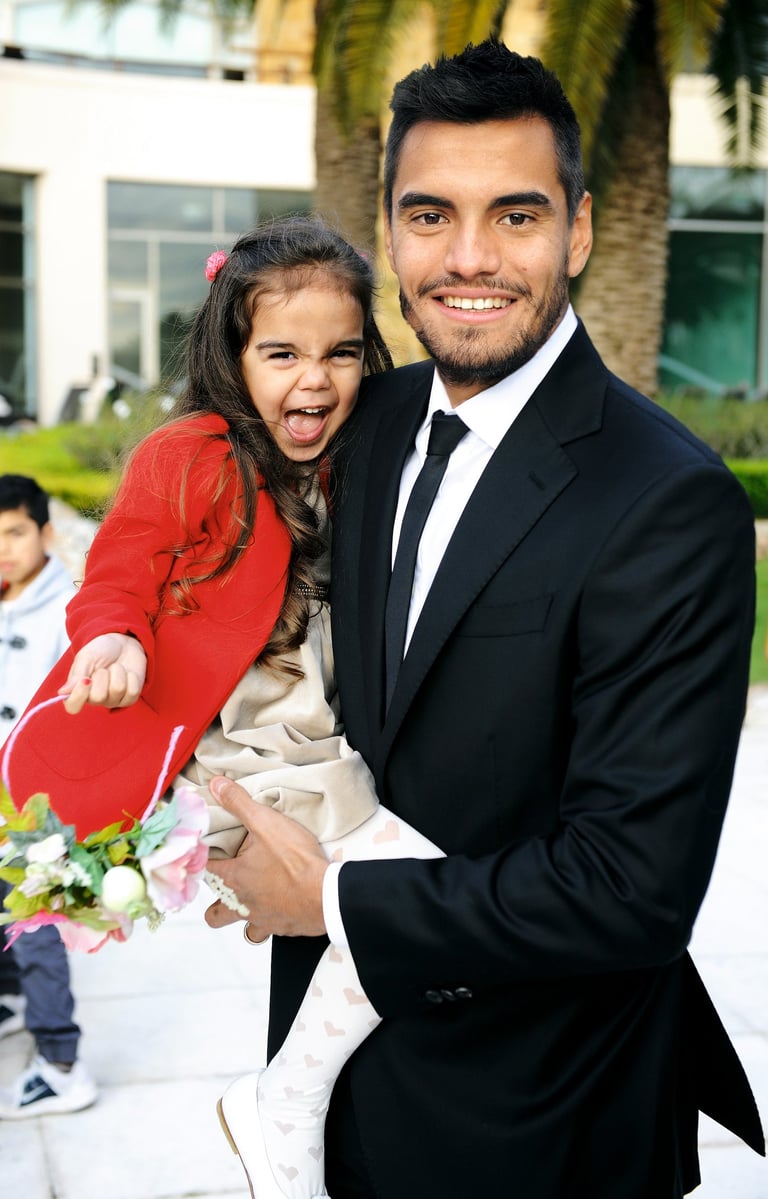
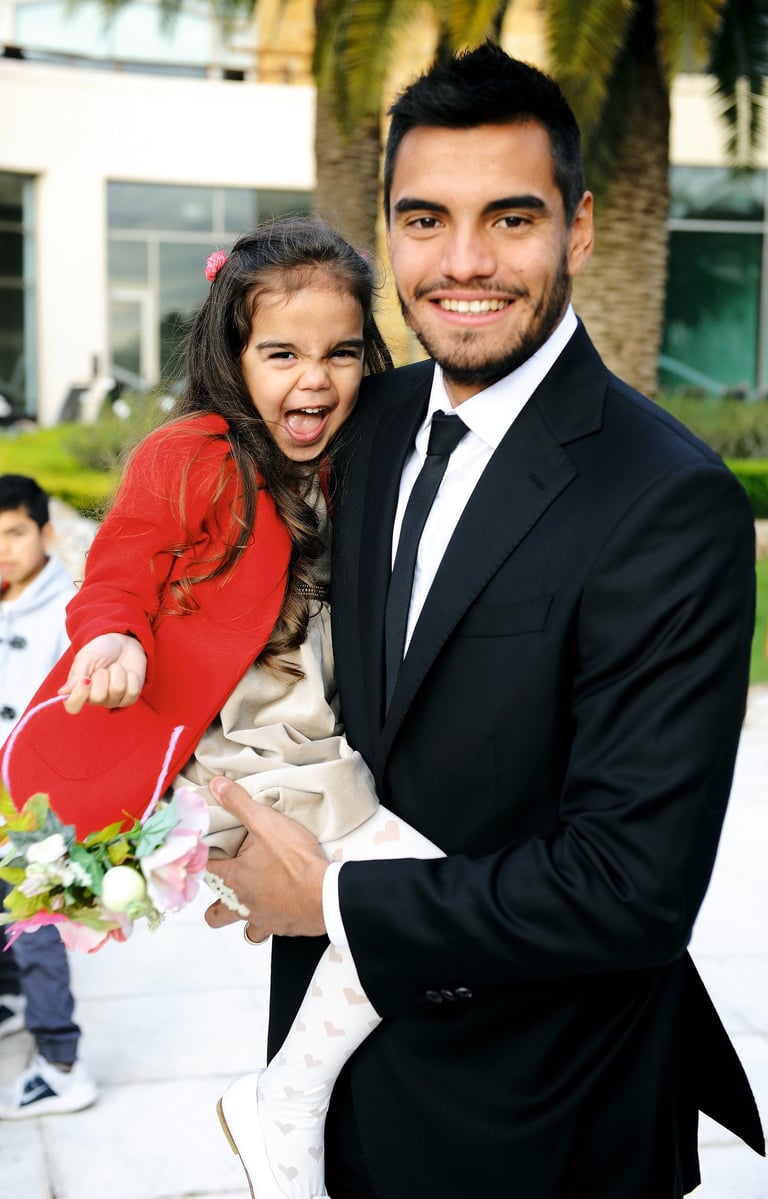
With over 20 years of excellence at Editorial Perfil, one of Latin America's leading publishers, I played a key role on the creative team at Caras magazine. My professional career has been characterized by a dual specialization: mastery of complex editorial layouts and the execution of high-end digital retouching. I specialize in transforming initial concepts into polished, top-tier publications, ensuring that every page meets the highest aesthetic and technical standards of the fashion and celebrity news industry. Beyond simply removing imperfections, editorial retouching demands a deep understanding of color theory and high-fidelity output standards such as CMYK for printing. Every adjustment of contrast and saturation must respect the original lighting to ensure a sophisticated, high-quality visual result. This delicate balance between perfection and realism is what defines a truly professional graphic designer and video editor in today's competitive digital market.